
Mid-sized freight forwarders possess a distinct advantage over global incumbents. They operate with shorter chains of command, allowing them to make faster decisions – both in their day-to-day logistics operations and when implementing new processes and technology.
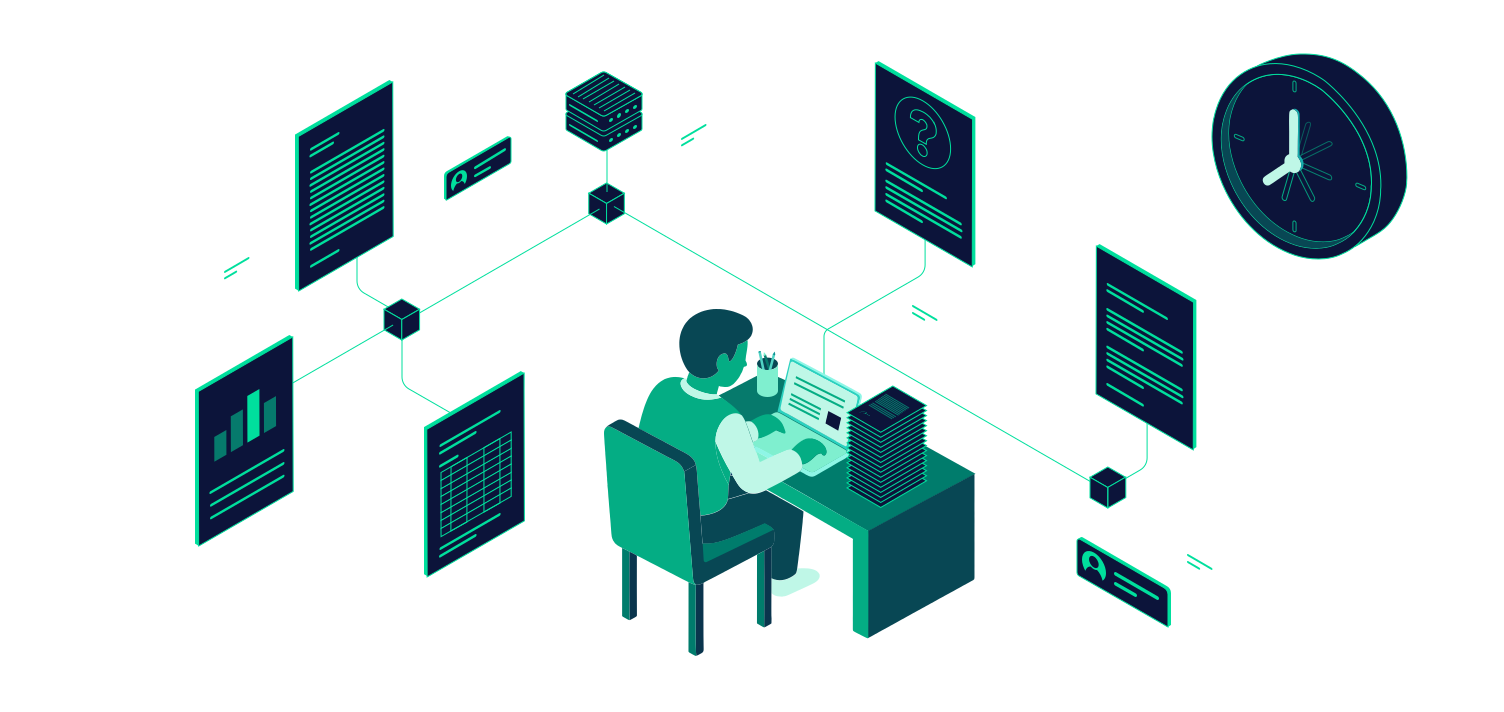
That speed is essential as your business grows. Meeting increasing customer expectations requires reviewing your operations setup. Otherwise, growth quickly turns into a bottleneck, leaving your operators flooded with work: drowning in shared inboxes, manually typing data from logistics documentation into your systems, and answering the same emails multiple times a week.
With new AI tools entering the market, that does not need to be the case. Because your organization is agile, you can implement modular tools far quicker than larger competitors – allowing you to enable your operators to spend less time on administrative heavy lifting, manage more shipments at a time, and grow your business without growing your teams.
In this article, we will present three AI technologies that you can easily implement before the end of the year.
Overcoming the fear of new technology
Before diving into specific solutions, it is worth addressing the common blockers to technology adoption.
Logistics leaders often hesitate to adopt new software. Manual processes feel safe because they offer complete control, while new systems frequently appear complex, costly, and disruptive to integrate.
Successful implementation comes down to finding the right balance between business impact and required investment—not just in budget, but in time and team effort. To see quick returns without risking lengthy implementations or extensive retraining, prioritize tools that build upon your team’s existing workflows. The most immediate value comes from embedding AI directly into systems where work already happens.
Use this evaluation checklist to assess potential technology solutions and ensure a smooth adoption:
| Evaluation criteria | Warning signs | Success indicators |
| Does it require specialized IT management? | Yes. It requires dedicated IT resources or long onboarding cycles. | No. It is intuitive and ready for immediate operational deployment. |
| Does it integrate with your existing setup? | No. It creates data silos or forces operators into separate systems. | Yes. It connects directly with your existing TMS, ERP, or inbox. |
| How does it handle unfamiliar data or formats? | Fails or requires manual template setup for every new edge case. | Processes non-standard data accurately using scalable AI logic. |
Three AI technologies to consider implementing until end the year
Here are three simple AI tools to consider starting with. All of them can be implemented quickly without disrupting your daily operations.
AI chatbots for customer service
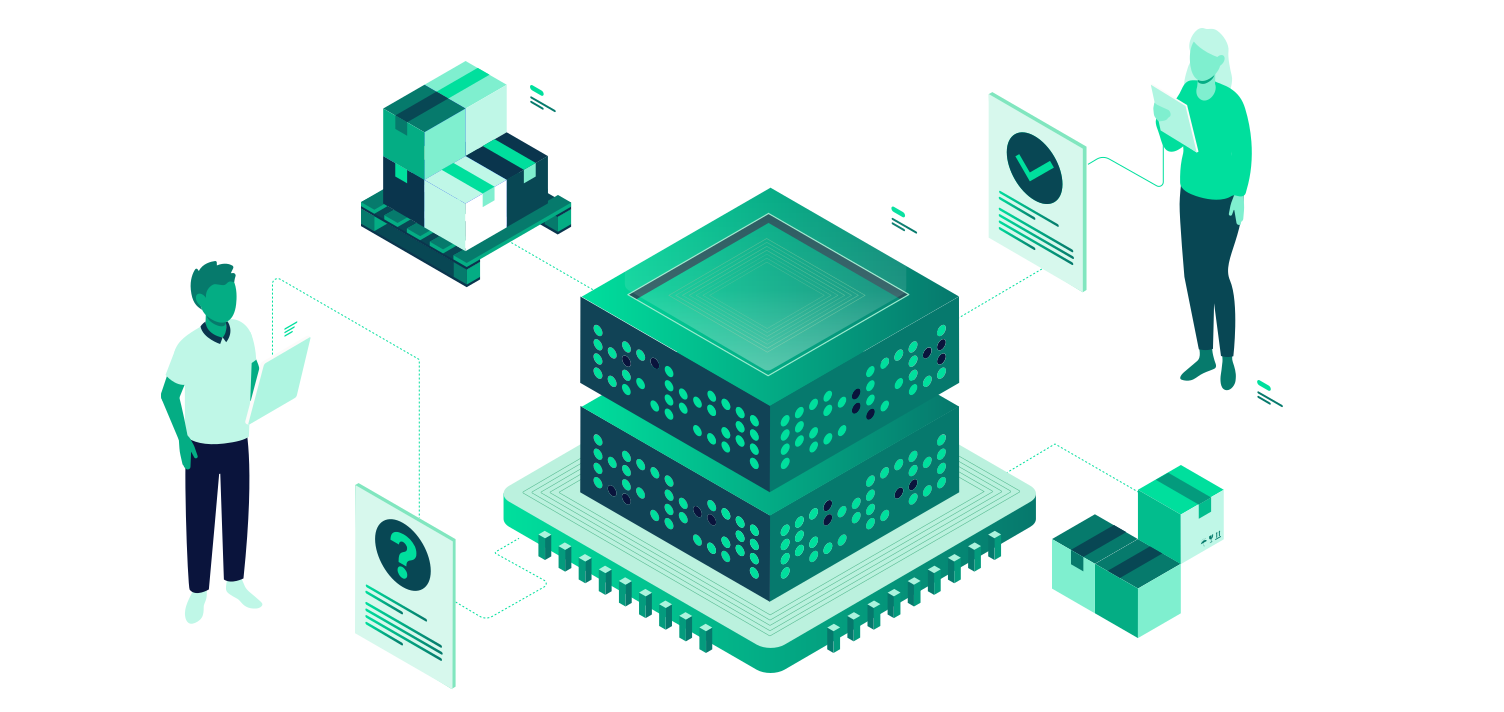
Customers want quick updates without waiting hours for an email reply. Modern AI chatbots connect directly to your TMS or ERP to pull live status updates, house bills of lading, and delivery exceptions automatically.
These bots run 24/7 on your website or portal. They answer simple status questions, sort incoming requests, and route them to the right person. When a case is too complex, the bot hands off the conversation to an account manager along with a full summary so your team doesn’t have to start from scratch.
Intelligent email triage and classification
Shared inboxes waste hours of operator time. Operators spend too much of their day sorting through vendor updates, spam, and routine customer questions.
AI email triage acts as an automated filter. It reads incoming emails, categorizes them by urgency, and highlights critical shipment issues right away. It can then log data in your TMS or create draft replies for your operators to approve with one click. Your team stays in full control of customer emails, but spends far less time sorting them.
IDP and OCR for logistics document processing
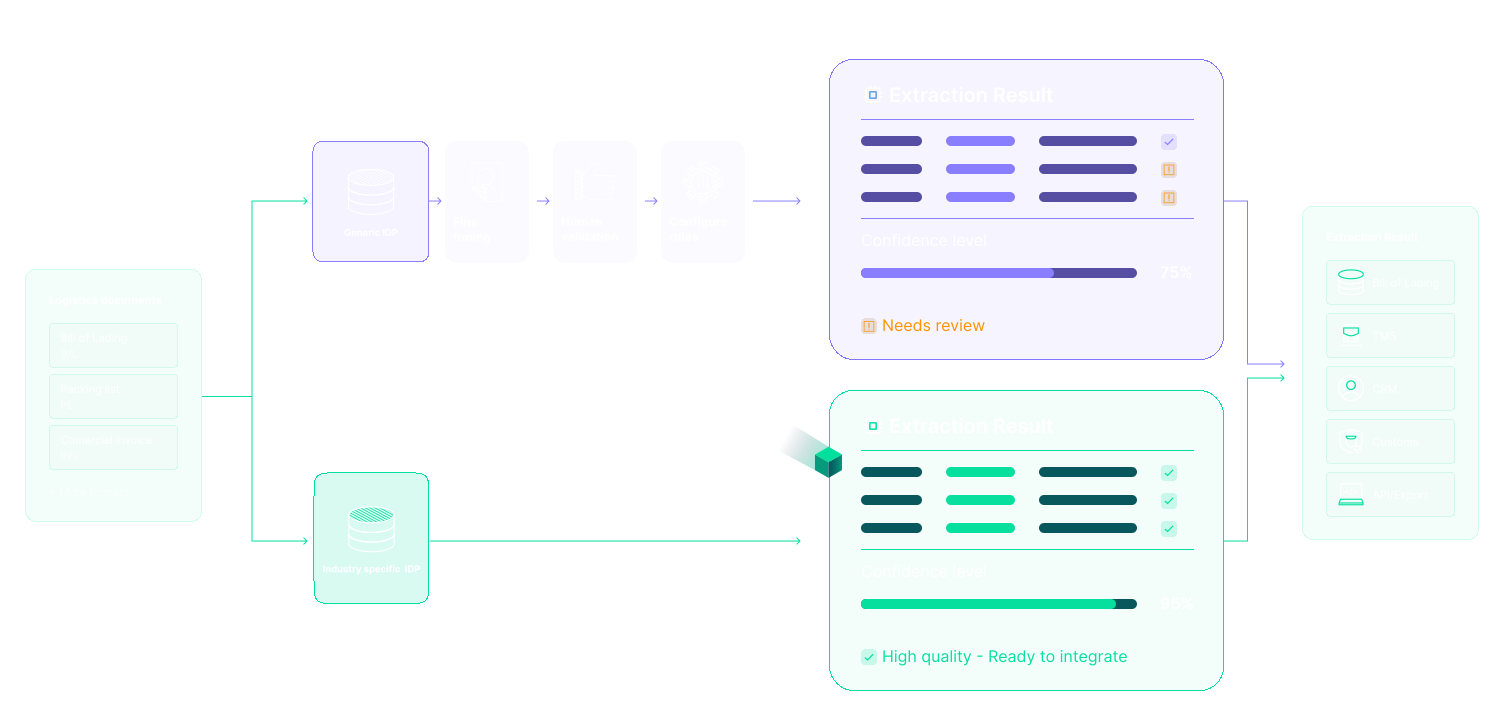
A single international shipment involves 7 to 10 separate documents. Old OCR tools rely on rigid templates, meaning they break whenever a vendor changes the layout of an invoice or packing list.
Modern Intelligent Document Processing (IDP) reads documents like a human. It finds the right data on Bills of Lading, commercial invoices, and packing lists no matter how the page is formatted.
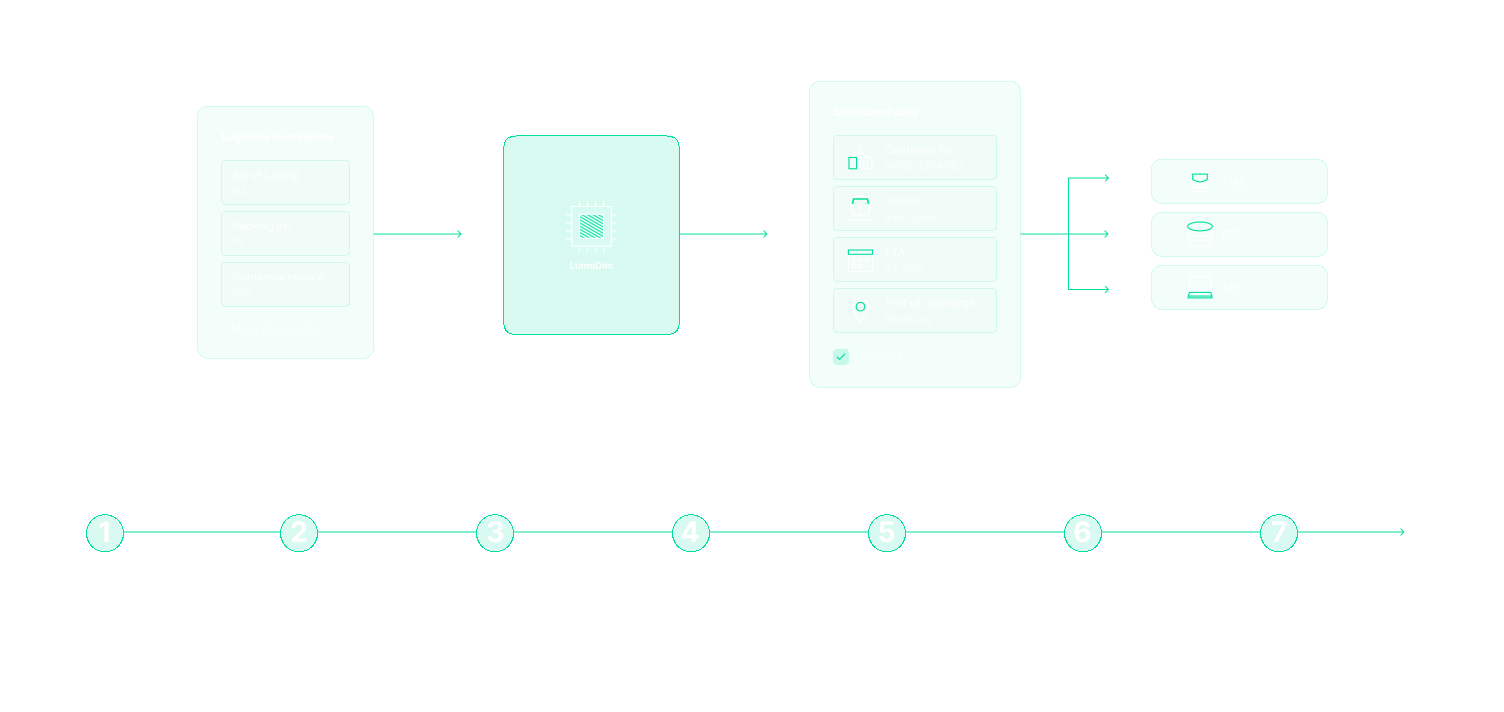
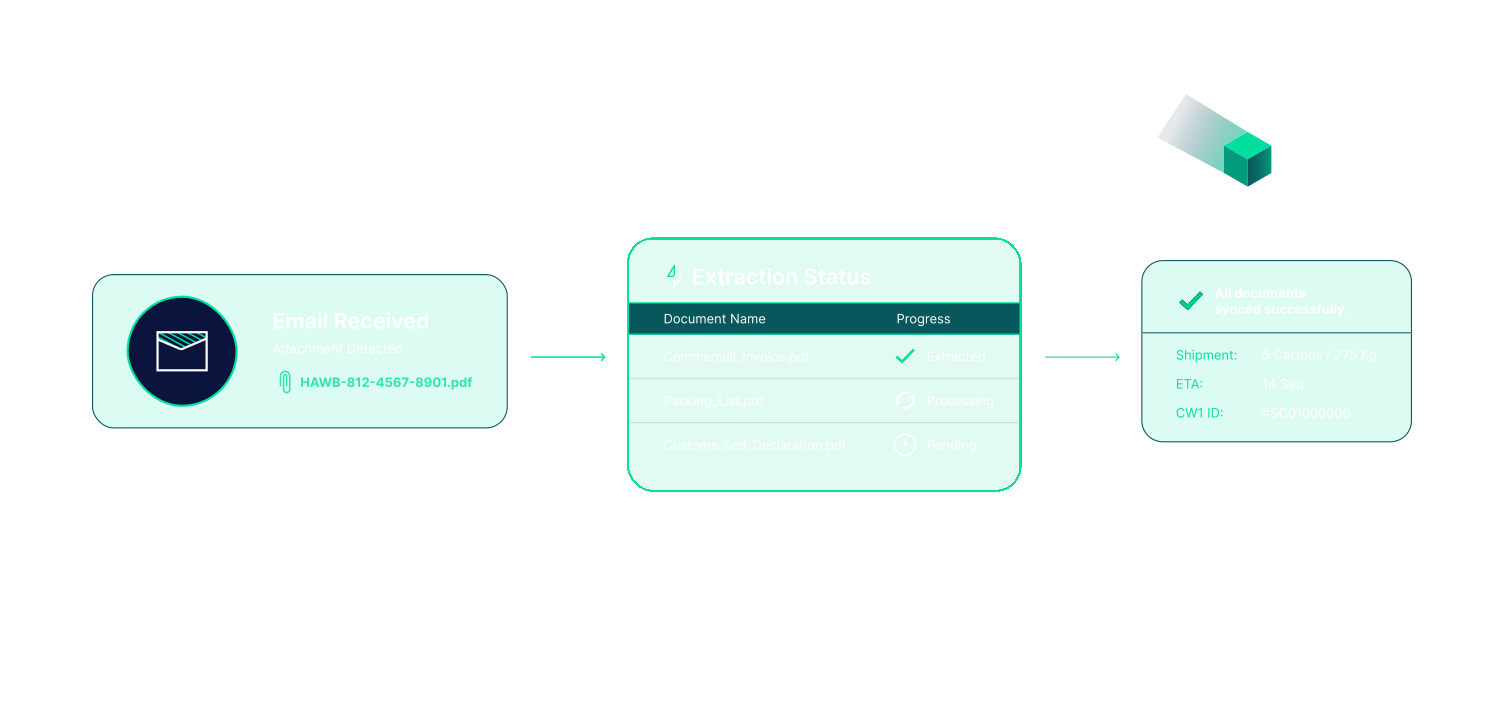
Dedicated logistics platforms like LumoDoc go a step further by automatically fetching incoming documents sent via email, manual upload, or API integration. After identifying the document data, the platform extracts the relevant information and pushes it straight into your TMS or ERP without any manual typing.
Scale your workflows with AI built for logistics
Improving your operations doesn’t require replacing your entire tech stack or overhauling how your team works. Instead, the fastest path to growth is adding targeted AI tools that eliminate manual friction from your current setup.
When it comes to reducing the heavy administrative burden of logistics documents and shared inboxes, LumoDoc is built specifically for this job. LumoDoc integrates directly into your existing setup, ingesting emails and attachments via inbox, file upload, or API. It automatically extracts critical freight data and feeds clean, verified information straight into your TMS or ERP
By eliminating manual data keying, LumoDoc gives your operators time back to focus on what actually drives revenue: handling exceptions, serving customers, and moving more volume.Ready to grow your shipment volume without growing your team?