
For players in the logistics industry, the operational floor is a high-stakes environment where every step matters. Between the active loading docks, crowded dispatcher desks, and relentless shipping schedules, data acts as the lifeblood of the entire operation. However, the physical reality of moving freight often clashes with the administrative burden of managing the paperwork that accompanies it. When teams rely on outdated manual processes or rigid software to pull data from bills of lading and customs declarations, the entire supply chain slows down.
Transitioning to a modern approach is a critical mechanism by which organizations can clear operational bottlenecks and scale without adding massive headcount just by implementing faster intelligent document processing (IDP).
Let’s dive into the hidden costs of legacy workflows with a step-by-step guide on how to modernize your operations with today’s technology.
The hidden costs of manual data entry and legacy OCR
It feels logical at first: you retain absolute control by having human operators verify every single commercial invoice and packing list manually. Internal developers often celebrate when they build custom rules-based optical character recognition (OCR) tools, believing they have finally solved the automation puzzle. The reality on the ground tells a very different story.
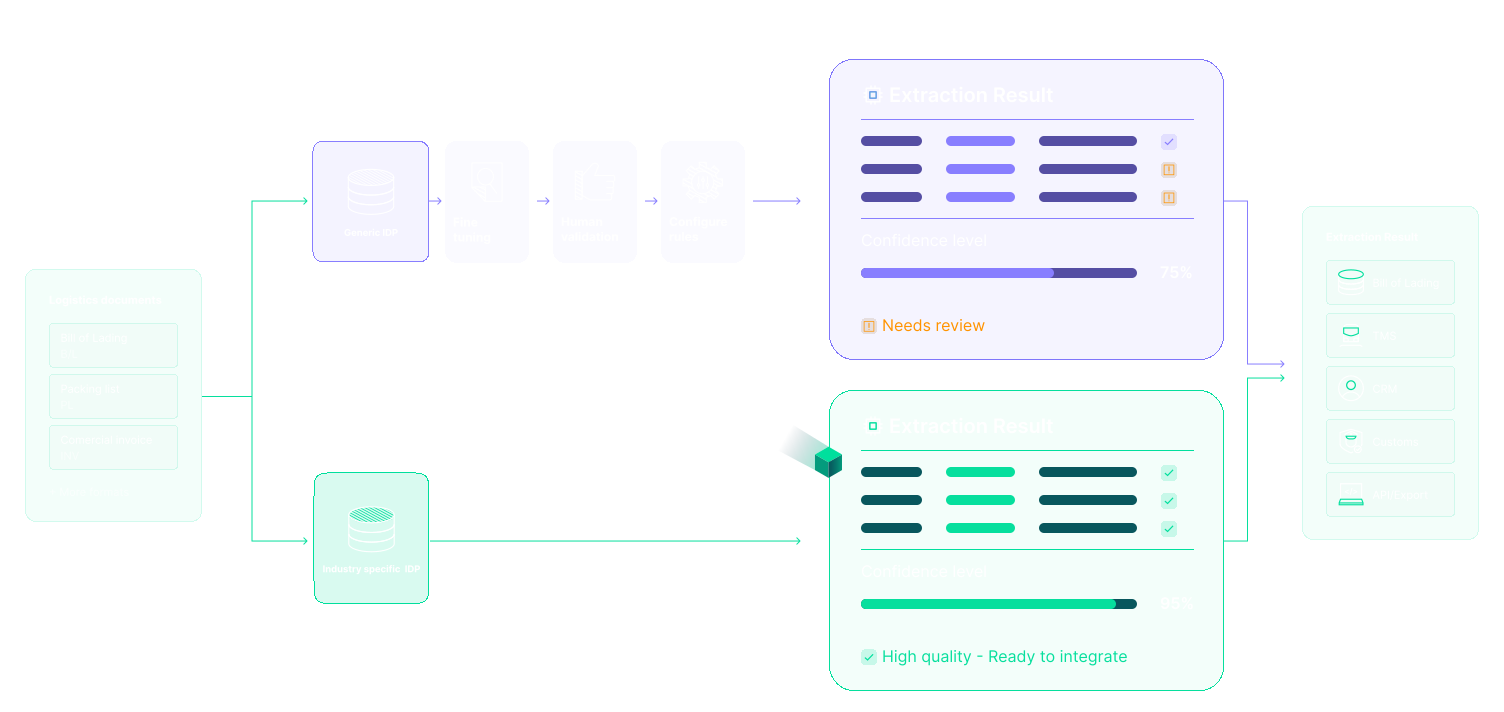
Legacy OCR tools break the moment a supplier alters their layout overnight. This phenomenon, known as schema drift, forces your logistics specialists to manually step in and correct the missing data.
Furthermore, manual human data entry is incredibly prone to fatigue.
Essentially, relying on rigid systems and manual keying drains your profitability. It forces your most experienced operations manager to act as a glorified typist rather than strategic problem solver.
How LumoDoc extracts logistics document data in seconds
To solve these bottlenecks, your operations need an ecosystem-native Agentic AI platform that reads contextually like a human. This is where LumoDoc changes the operational landscape. Instead of relying on templates, the technology utilizes zero-shot understanding to process 14 distinct logistics document types right out of the box.
When a reformatted arrival notice hits your inbox, the system natively resolves schema drift and extracts the necessary data accurately.
Looking for some numbers?
LumoDoc processes 80% of logistics documents in under 12 seconds while maintaining a 95% data extraction accuracy across the board. This capability yields up to a 90 percent time savings for operations floors, allowing your team to handle three times the document volume without the usual wear and tear of manual processing. See the extraction capabilities firsthand in our demo environment.
Ultimately, automating supply chain documentation ensures that clean data populates your target systems almost instantly.
The step-by-step process to start working with LumoDoc
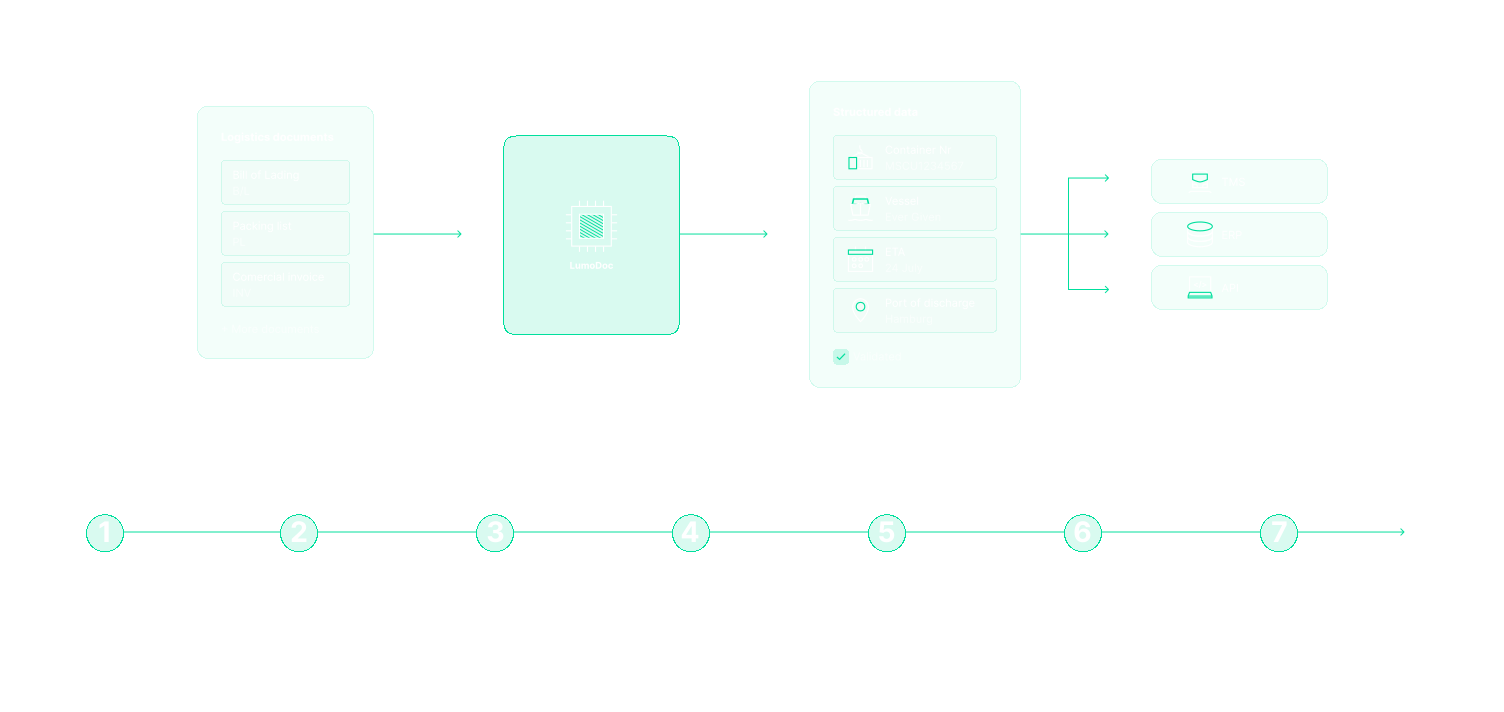
Upgrading your infrastructure might sound daunting, but the implementation of LumoDoc is designed for maximum speed and minimal disruption. Here is the process it takes to start working with us:
- Sign up for a chat with our Sales team: Begin with a tailored consultation to discuss your specific document volume and operational bottlenecks.
- Try before you commit: Run a hands-on pilot with your own documents before signing anything to see the extraction capabilities on your customs invoices, bill of lading, etc. firsthand.
- Experience a straightforward integration process: Our experts will guide you through a seamless integration process to your current TMS or ERP, ensuring a minimal setup effort by your team without the need to replace existing workflows.
- Start extracting data from your desired logistics documents: Begin processing your bills of lading, commercial invoices, and more in live operations. LumoDoc starts capturing and structuring data automatically from day one.
- Review AI’s work with full Human-in-the-Loop (HITL) workflows: Accelerate exception handling by 5x using automated confidence scoring. Approve or correct highlighted exceptions, keeping your experts in control of edge cases. The model actively learns from corrections, improving accuracy continuously over time.
- Automatically deliver validated information into your systems: Watch as clean, verified data flows directly into your ERP or TMS without any manual copy-pasting or re-keying.
- Track performance metrics and analyze document processing trends: Use built-in dashboards to monitor throughput, accuracy rates and time savings over time. Identify which document types or trade lanes benefit most from automation and have regular reviews with our team to fine-tune extraction models as your operations scale.
Taking the next step in logistics document extraction
By moving away from rigid templates and manual data entry, you can empower your logistics managers to focus on exceptions and strategic growth. With LumoDoc, you won’t need a massive IT overhaul to get started. Benchmark the technology against your current processes, run a pilot, and see the time savings for yourself!
Get started with LumoDoc by talking to one of our experts